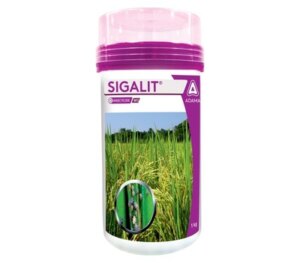
Adama Sigalit Insecticide – Pymetrozine 50% WG | Highly Effective BPH Control in Paddy
₹8,250.00
Send EnquiryDescription
Adama Sigalit is a highly effective insecticide formulated with Pymetrozine 50% WG, designed especially for the control of Brown Plant Hopper (BPH) in paddy crops. With systemic and translaminar activity, Sigalit acts through contact and ingestion, stopping pest feeding and causing irreversible damage to the pest’s nervous system. It ensures crop safety while improving plant vigor and yield.
🌿 Key Features & Benefits
- Highly effective on BPH: Targets all stages of Brown Plant Hopper in paddy
- Dual action: Works via both contact and ingestion
- Systemic and translaminar: Moves within plant tissues for deep pest control
- Extended crop protection: Offers lasting effects with minimal residue concerns
- Crop safety: Gentle on rice plants and promotes healthy growth
- Improves yield: Helps reduce crop stress and increases productivity
🧪 How It Works
Sigalit’s active ingredient Pymetrozine targets the feeding mechanism of sucking pests. It interferes with the neural regulation of salivation and feeding behavior, leading to starvation and eventual death of the pest. Its systemic and translaminar properties allow it to protect both treated and new plant parts from pest attack.
🧴 Recommended Dosage
- Crop: Paddy
- Target Pest: Brown Plant Hopper (BPH)
- Dosage: 120 gm per acre
- Water Volume: 200 litres per acre (for foliar application)
🌾 Suitable Crops & Target Pests
| Crop | Target Pest | Recommended Dose |
|---|---|---|
| Paddy | Brown Plant Hopper (BPH) | 120 gm/acre |
📋 Technical Details
| Parameter | Details |
|---|---|
| Brand | Adama |
| Product Name | Sigalit |
| Technical Composition | Pymetrozine 50% WG |
| Formulation Type | Water Dispersible Granules (WG) |
| Target Pest | Brown Plant Hopper (BPH) |
| Application Method | Foliar Spray |
| Recommended Dose | 120 gm per acre |
| Water Volume | 200 litres per acre |
| Pack Sizes | 100 gm, 250 gm |
⚠️ Usage & Safety Guidelines
- Apply at early pest infestation stage for best results
- Spray during calm weather to avoid drift
- Avoid mixing with alkaline substances
- Use personal protective gear during handling and spraying
- Keep away from food, water sources, and children
💬 Why Farmers Prefer Sigalit
Sigalit is widely preferred by paddy growers for its high efficacy against BPH, fast action, and crop safety. It supports better plant development by preventing pest-induced stunting and damage. Its residual action ensures peace of mind during the vulnerable crop growth stages.
❓ FAQs
Q. What makes Sigalit different from other BPH insecticides?
Sigalit combines systemic and translaminar action, ensuring pests are controlled even in hidden leaf areas and new growth.
Q. Can Sigalit be used in combination with other pesticides?
Yes, but avoid alkaline mixtures. A jar test is advised before tank-mixing.
Q. How soon can I expect results?
Feeding stops within hours; visible mortality is seen within 24–48 hours of application.
Q. Is Sigalit safe for beneficial insects?
When used as per the label, it is relatively safer for natural predators and pollinators.
Q. What is the re-entry period after spraying?
A minimum of 24 hours is recommended before entering treated fields.
Reviews (0)
No reviews yet.